
Solder Sticks Manufacturer & Supplier in India
Hand-fed solder sticks in your grade, made in-house and supplied in bulk across India
ACE Power Systems manufactures solder sticks at Ahmedabad, Gujarat, from high-purity raw material — leaded and lead-free, in the alloy your work actually calls for. A stick is solder a person feeds: into a bench dip pot, into a flame, or onto a joint with a heavy iron. Every lot we despatch is covered by a batch spectro test certificate, so your QA gets numbers on paper instead of an assurance.
Send us your grade, your monthly quantity, your preferred form and packing, and your city — we will quote against exactly that.
Why Buy Solder Sticks Direct From the Manufacturer
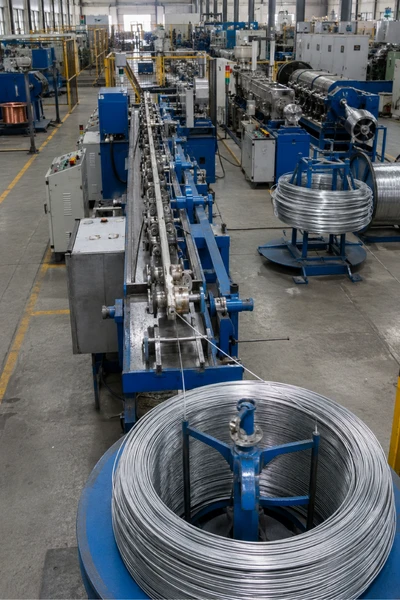
ACE Power Systems is a manufacturer, not a reseller — we melt and form our own solder sticks in-house at Ahmedabad, Gujarat.
In-House Manufacturing
We melt, alloy and form our solder sticks ourselves. Nothing is bought in and relabelled, which means the metal you approve on a trial is the metal that keeps arriving on the next order.
High-Purity Raw Material
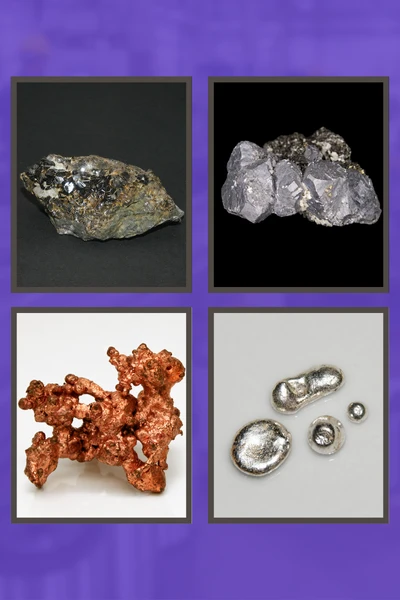
Solid solder is only as good as the base metal it is made from. We start from high-purity raw material, because trace iron, cadmium, copper, aluminium and zinc do not stay hidden — they surface later as gritty, dull joints and poor wetting.
Batch Test Certificate Per Lot
Each lot is covered by a batch spectro test certificate (COA) identifying the alloy and the batch. Every supplier says high purity; this is the document that lets you check it.
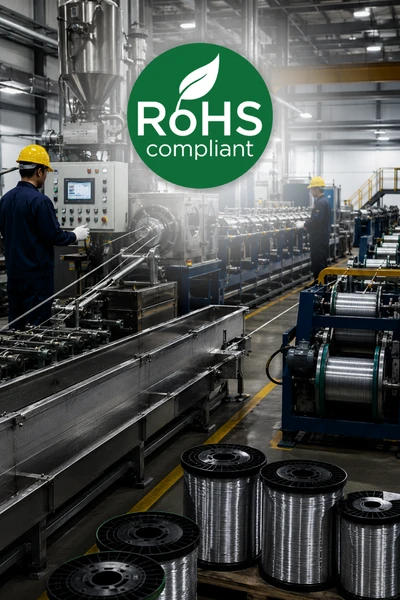
Lead-Free / RoHS-Compliant
Our lead-free solder sticks are manufactured for RoHS-compliant work. Ask us what documentation we can supply with a lead-free consignment for your own customer's audit or your export file.
Bulk Supply Capability
Repeat, month-after-month quantities in the same alloy from the same plant, so a dip pot or a bench is never topped up with whatever metal happened to be in stock that week.
Supply Across India
We despatch from Ahmedabad, Gujarat to buyers across India — electronics assembly units, winding and panel shops, tinning units, radiator and sheet-metal workshops, and distributors.
Solder Stick Grades We Supply
Tell us the grade you run and we will come back to you on what we can supply. The melting figures below are the standard published values for each alloy — they describe what the metal does, not a claim about our plant.
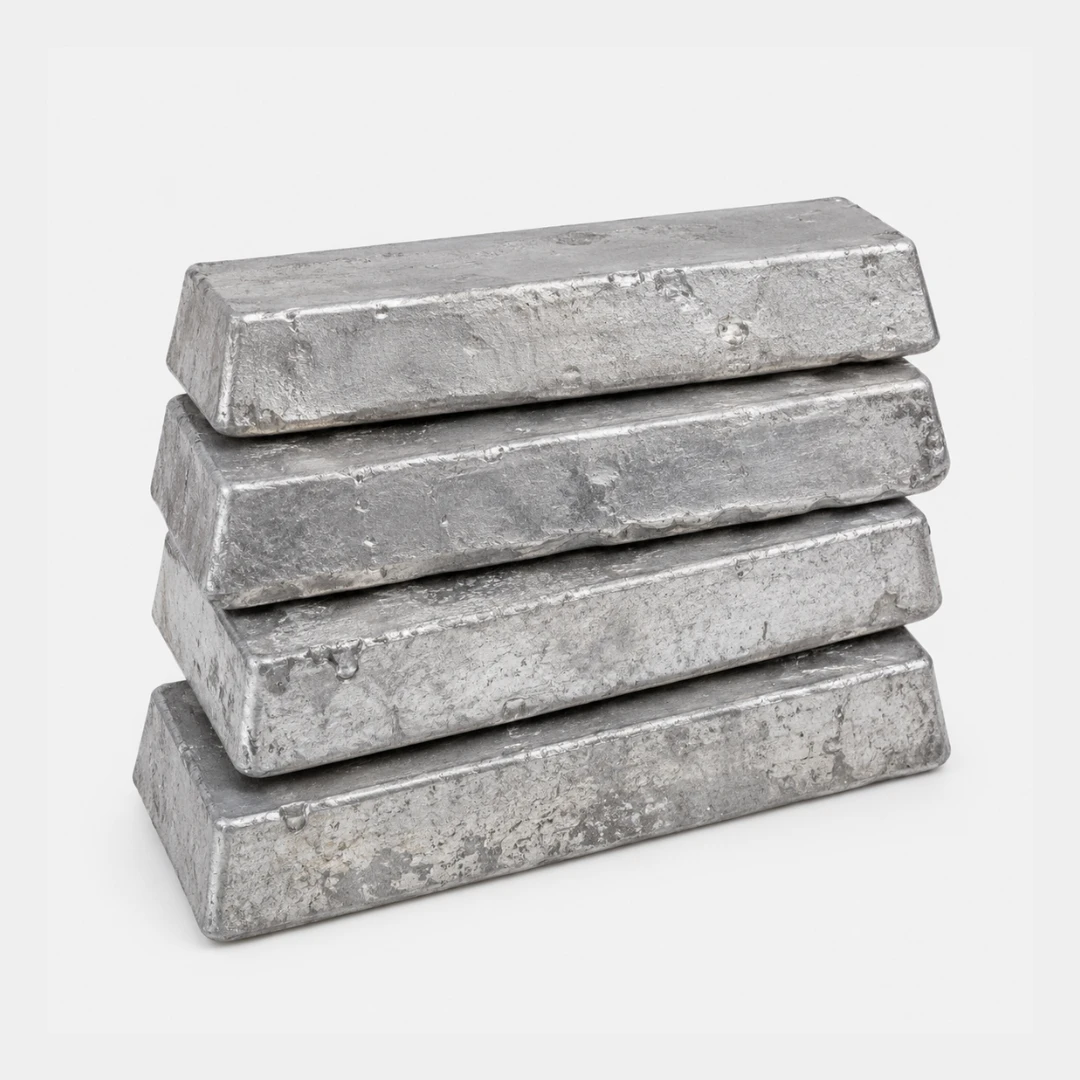
Sn63 / Pb37 Solder Sticks
The eutectic electronics grade. It melts and freezes at a single point, 183 degrees C, with no pasty stage — so a hand-made joint sets instantly and is far less likely to be disturbed while it freezes. The usual choice for bench and small dip-pot work on electronic assemblies.
Get a Quote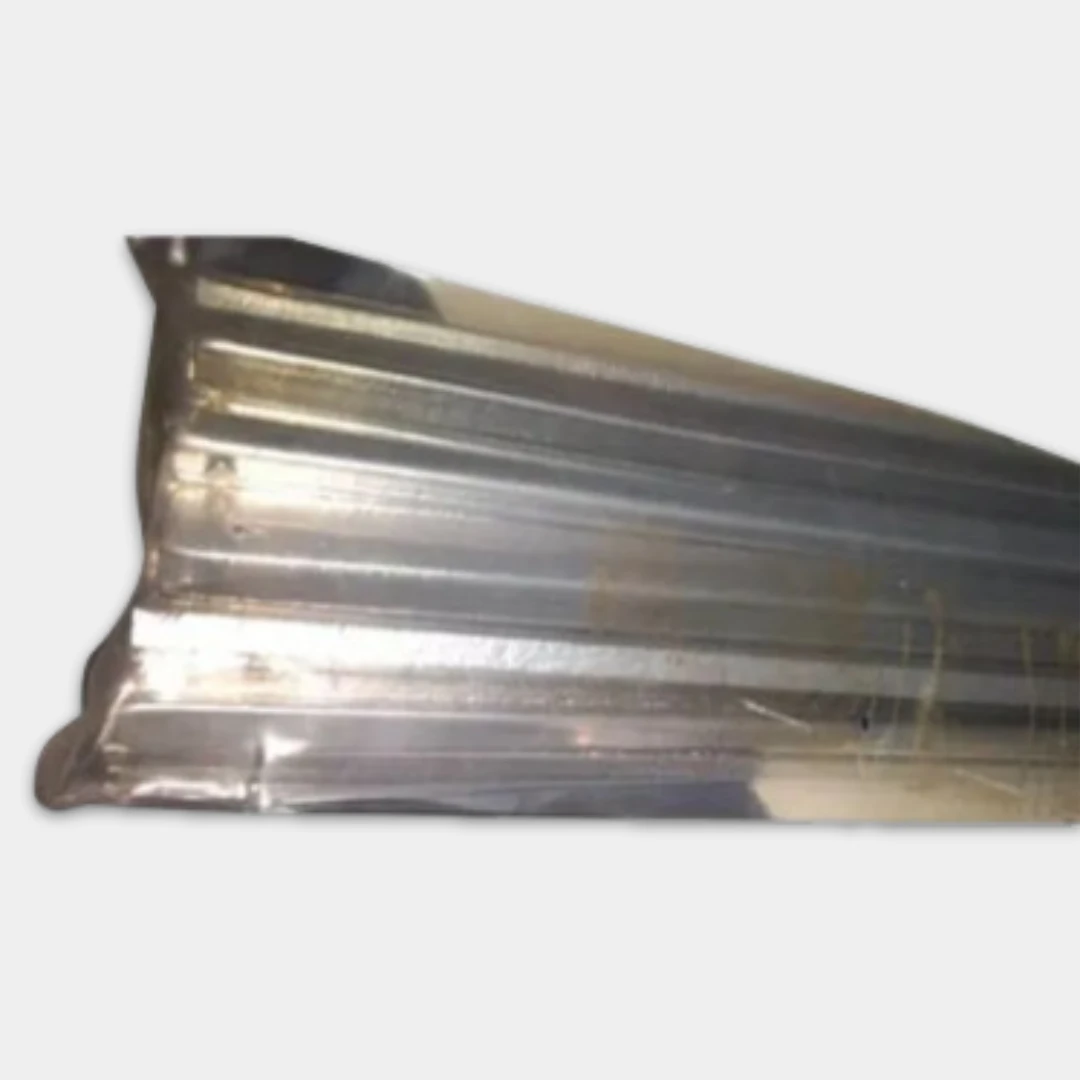
Sn60 / Pb40 Solder Sticks
The everyday commercial workhorse, melting range 183 to about 188 degrees C. Slightly wider freezing range than 63/37 and the grade most shops mean when they simply ask for 60/40 solder sticks.
Get a Quote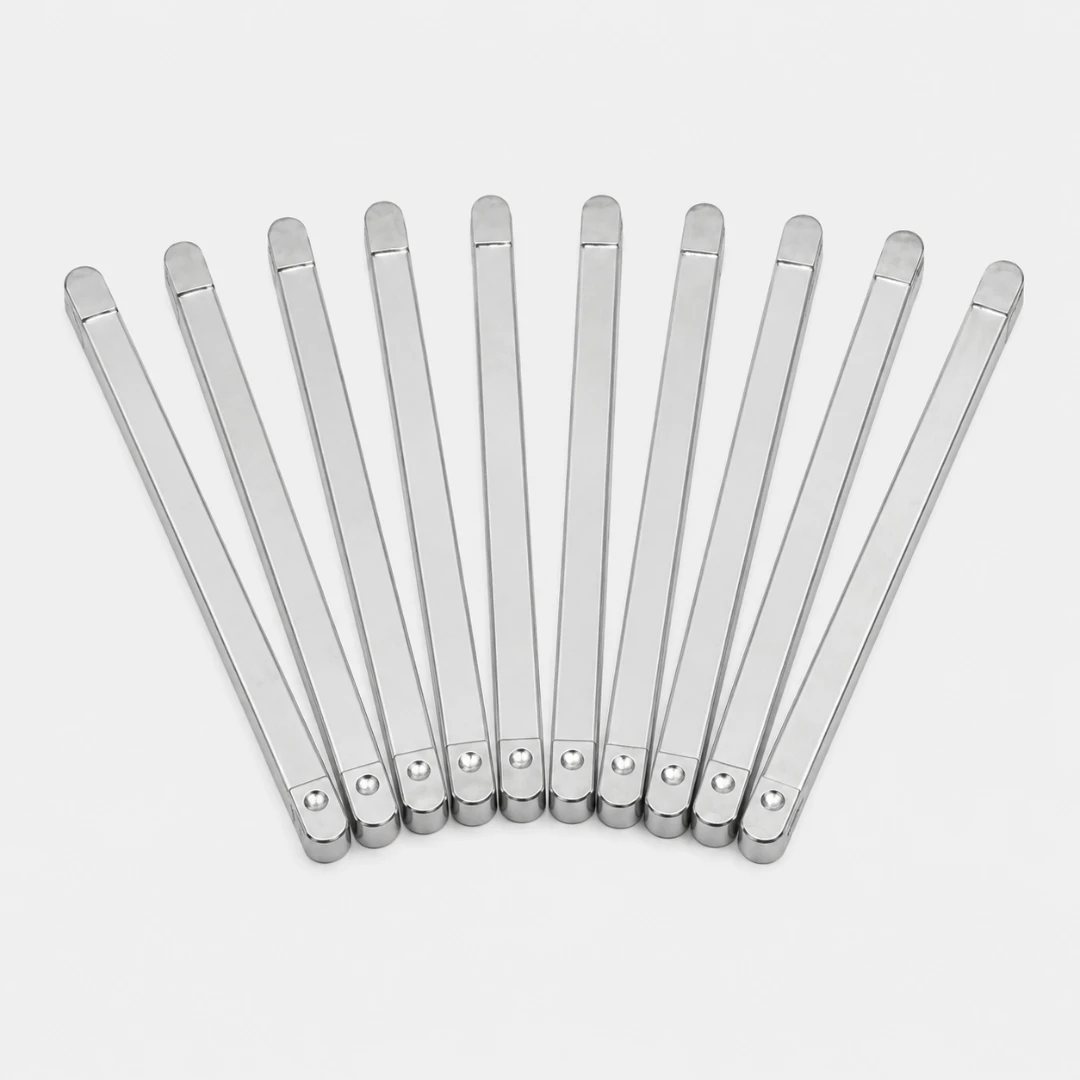
Sn50 / Pb50 Sticks
183 to 212 degrees C. General coppersmith, brass and heavy-iron work, where a short pasty stage actually helps — you can shape and wipe the joint before the solder sets hard.
Get a Quote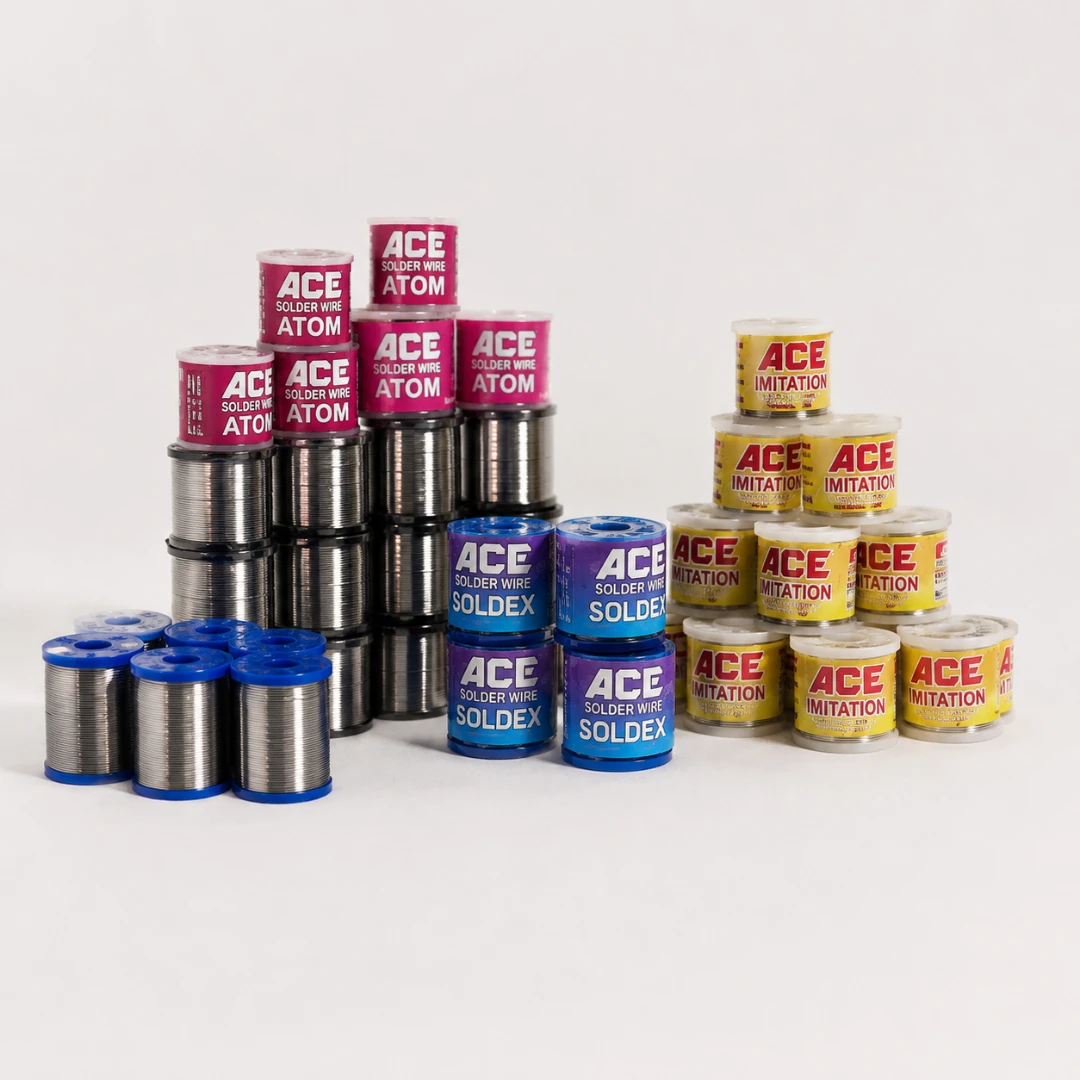
Lower-Tin Grades: Sn45, Sn40, Sn35, Sn30
The lower the tin, the wider the pasty range — from 183 to 224 degrees C at Sn45 out to roughly 183 to 255 degrees C at Sn30. These are the traditional blowpipe, galvanised-sheet, dipping-bath and cable-wiping grades, chosen precisely because the solder stays workable while you shape it.
Get a Quote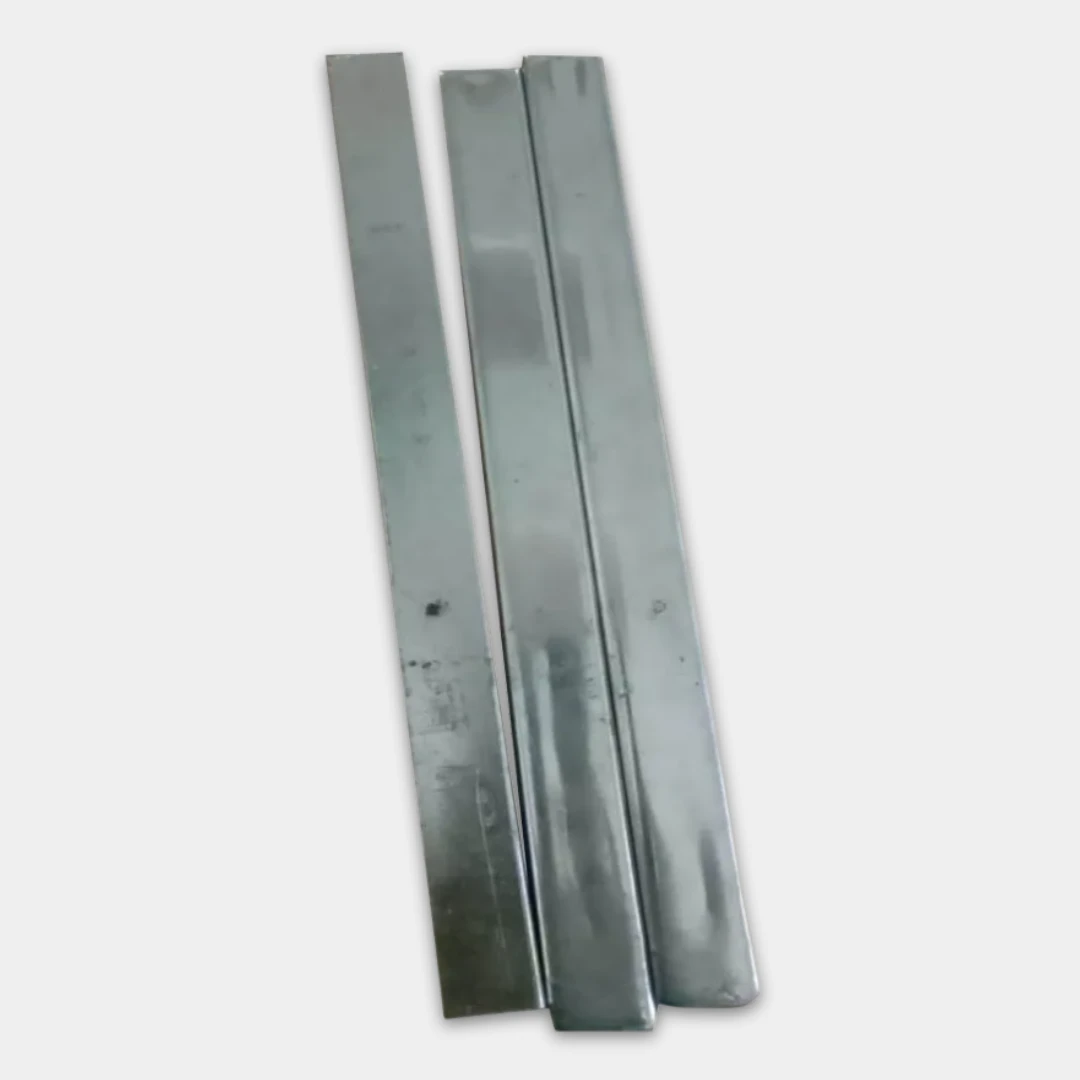
Lead-Free SAC305 (Sn96.5 / Ag3.0 / Cu0.5)
The mainstream lead-free electronics alloy, melting around 217 to 220 degrees C. Specified where silver-bearing lead-free solder is required for RoHS-bound assemblies and export work.
Get a Quote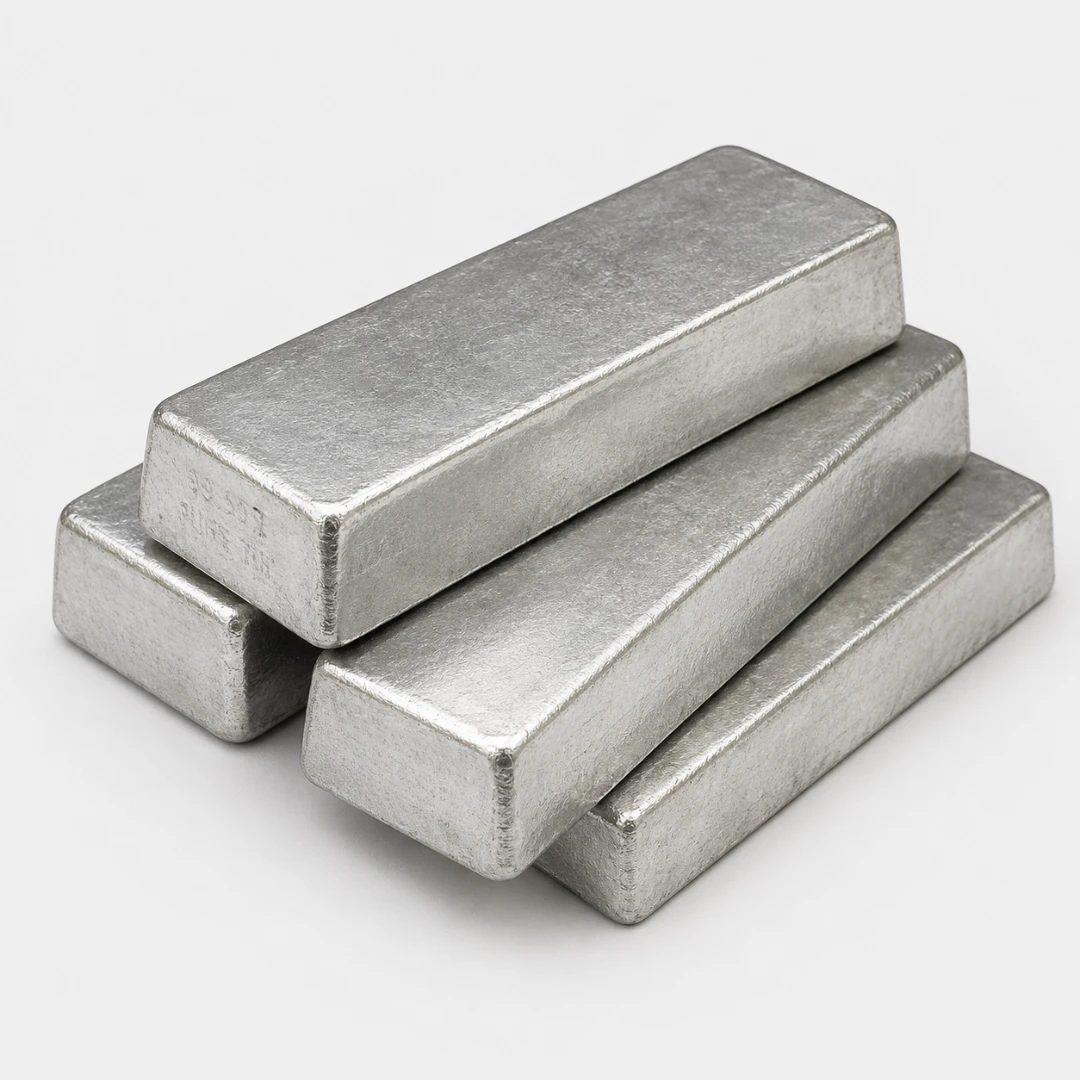
Sn99.3 / Cu0.7 and High-Tin Grades
Tin-copper melts at about 227 degrees C and is the economical silver-free lead-free option for copper tube, copper plate and general metalwork. Pure tin melts at 232 degrees C for tinning and specialist duties. Antimonial and Sn95/Sb5 grades are also commonly specified — tell us yours.
Get a QuoteSolder Stick vs Solder Bar vs Solder Wire
In the Indian trade these names overlap, and that confuses a lot of enquiries. IS 193, the Bureau of Indian Standards specification for soft solder, actually settles it: soft solder may be supplied as sticks, ingots, or any other form such as bars, as the purchaser specifies. So both words are legitimate and neither is wrong.
The practical difference is who feeds the metal: an operator picks up a solder stick and puts it where the heat is, while a bar is loaded into a machine's melt pot and never touched by hand.
- Solder sticks — solid, flux-free solder in a hand-sized piece. Picked up by hand and fed into a flame, melted with a heavy iron, rubbed onto a tinned joint, or dropped into a small bench pot to hold the level. Flux is applied separately, as liquid flux, paste flux, or into the pot.
- Solder bar — the same alloy cast larger and heavier as a machine-feed charge, dropped or auto-fed into a production melt pot to keep the bath topped up. No operator ever stands there holding one against a joint.
- Solder wire — thin and coiled, usually flux-cored, fed continuously against a soldering-iron tip for fine electronic and repair work.
Feeding a wave, selective or dip pot in production volumes? That is bar territory — see our solder bar manufacturing and supply page for pot alloys, dross behaviour and bulk pot charging. Working iron-in-hand on fine assemblies instead? See our solder wire manufacturer hub for flux-cored and solid wire.
How to Choose a Solder Stick
Choosing the right grade is mostly a question of what you are joining, how you are heating it, and whether the joint has to freeze instantly or stay workable. Five questions decide it:
- What metal are you joining? Copper, brass and tinplate take solder readily. Galvanised and zinc-coated sheet, and heavier fabrications, are traditionally worked with lower-tin grades and an aggressive flux.
- Do you want a pasty stage or an instant freeze? Eutectic 63/37 goes from liquid to solid at 183 degrees C with nothing in between — ideal on electronic joints. Lower-tin grades stay mushy over a wide band, which is exactly what a plumber, cable jointer or tinsmith wants so the solder can be wiped and shaped.
- Lead-free or leaded? If the finished product falls under RoHS or the E-Waste Rules, or your customer exports, you need lead-free solder sticks — and it is worth asking us what documentation we can supply with a lead-free consignment. If it does not, tin-lead is usually easier to work and cheaper per kilo.
- What is your heat source? A blowtorch, a heavy soldering iron and a bench dip pot all behave differently. Lead-free alloys melt roughly 5 to 20 degrees C higher than their leaded equivalents and oxidise faster, so pot and iron temperatures have to come up with them.
- How clean does the metal have to be? On electronic work, impurities matter more than price per kilo. Copper pick-up past roughly 0.1 percent in a tin-lead bath brings sludge and poor drainage; iron at the level of 0.002 percent pushes drossing up and fluidity down; cadmium around 0.005 percent brings bridging, icicling and weaker joints.
Solder is mostly tin, so what it costs is driven by the tin market far more than by any supplier's margin, and quotes are normally validity-dated for that reason. What you actually control is waste: the metal lost to dross and the hours lost to reworking impurity-driven dry joints. That is a purity and consistency question, and it is where a manufacturer can answer and a reseller cannot. Send us your grade and your monthly consumption and we will quote like-for-like.
Solder Stick Applications
Every job below is hand-fed — an operator holds the stick, or drops it into a bench pot, and controls the heat.
Dip and Solder-Pot Tinning
Sticks are dropped into a small bench pot to keep the level up while wire ends, strands, lugs, terminals and small sub-assemblies are dip-tinned. Tinning stops copper oxidising, keeps stranded wire from fraying and restores solderability on parts that have sat in stores.
Torch and Blowpipe Soldering
The classic blowpipe stick job — heat the parts with a flame, then feed the stick into the joint. Used where the work is too big or too heat-hungry for an iron, and where the operator needs to see the solder run.
Heavy Iron and Soldering-Gun Work
On high thermal mass parts, thin cored wire is simply too slow and delivers too little metal. A stick fed against a heavy iron or gun puts down solder at the rate the job needs.
Sheet Metal and Tinsmith Work
Seaming and joining tinplate, brass and copper sheet — the traditional tinman's stick job, usually with a lower-tin grade so the solder can be worked while it is still pasty.
Radiator and Galvanised Repair
Automotive and industrial radiator cores, brass and copper tanks, galvanised and zinc-coated sheet repairs, coppersmith work and brass utensils — jobs done one at a time, by hand, in a workshop.
Cable Jointing and Lead Wiping
Low-tin grades wiped onto lead-sheath cable joints, a use IS 193 names specific grades for. The wide pasty range is the whole point: the jointer shapes the solder as it sets.
Winding-Lead and Terminal Tinning
Transformer, motor and coil shops tin enamelled copper winding leads, lugs, bus connections and terminal blocks before crimping or bolting — high-volume hand work fed from a stick and a pot.
Electronics Bench and Rework
Small pots on an assembly bench for tinning component leads, wire harness ends and connector tails ahead of board assembly, plus heavy-gauge and chassis soldering that cored wire cannot keep up with.
MRO, Service and Field Work
Maintenance teams, service workshops, plumbing, jewellery, stained glass and craft work — anywhere a person, not a machine, decides where the solder goes.
Industries We Supply
From PCB-assembly benches to winding shops and repair workshops, across India.
Electronics and PCB Assembly
EMS units and OEM in-house lines running bench pots and small dip pots alongside their board lines — lead tinning, harness and connector tinning, touch-up and heavy-gauge work. This is where alloy consistency and per-lot documentation matter most.
Electrical Equipment Manufacturing
Transformer, motor, switchgear and panel builders are among the largest buyers of solder sticks specifically — tinning and jointing of enamelled copper winding leads, lugs, bus connections and terminal blocks.
Automotive and Auto-Electronics
Harness and terminal soldering, sensor and lighting sub-assemblies, and radiator core work. This segment interrogates alloy consistency and batch traceability harder than any other, because joints are thermally cycled in service.
LED Lighting
Driver and module assembly units doing bench tinning and rework alongside their main lines, where cost per kilo and metal wasted to dross are watched closely.
Telecom and Networking Hardware
Smaller account numbers, stricter paperwork: repeatable low-impurity alloy plus lead-free documentation that survives a customer audit is non-negotiable here.
Workshops, Tinning Units and MRO
Sheet-metal and tinsmith shops, radiator and auto-repair units, hot-dip tinning units, cable jointing contractors, plumbing and service teams — the traditional home of the solder stick.
Lead-Free Solder Sticks (RoHS)
We manufacture lead-free solder sticks for RoHS-compliant work. One thing worth being precise about, because a lot of pages are not: lead-free is a threshold, not a zero. In India, RoHS is enforced through the E-Waste (Management) Rules, which cap lead, mercury, hexavalent chromium, PBB and PBDE at 0.1 percent by weight in a homogeneous material and cadmium at 0.01 percent. Even SAC305 datasheets state residual lead at 0.07 percent or less. Anyone promising literally zero lead is describing something that does not exist.
Working lead-free also changes the job. SAC305 melts around 217 to 220 degrees C and tin-copper around 227 degrees C, against 183 degrees C for eutectic tin-lead, so pots and irons run hotter, the metal oxidises faster and there is more dross to skim. Plan the temperature change, not just the purchase.
A note on wording, since buyers get misled by it: RoHS and REACH conformity is a declaration backed by testing and documentation, not a certificate somebody hands you. So ask us, before you order, what documentation we can supply with a lead-free consignment.
Purity, Testing and Documentation
The single biggest fear in this market is rational: the same product name is offered at wildly different prices, and the cheap end is usually under-tinned or re-melted scrap. So we do not ask you to take purity on trust. Every lot we despatch carries a batch spectro test certificate — a COA identifying the alloy and the batch it came from.
Why it matters in your pot and on your joints: copper picked up past roughly 0.1 percent in a tin-lead bath gives sludge, poor drainage and dull, gritty joints; iron in the order of 0.002 percent pushes dross formation up and fluidity down; cadmium around 0.002 to 0.005 percent starts to affect joint formation and then brings bridging, icicling and weaker joints; aluminium and zinc are the classic poisons that wreck wetting outright. None of that is visible in the metal you unpack — it is visible on the certificate, and later on your board.
The reference points to quote in your enquiry are IS 193, the Indian Standard for soft solder — which sets impurity ceilings of arsenic 0.05 percent maximum, iron 0.02 percent maximum and copper 0.05 percent maximum, and allows a tin content tolerance of plus or minus 0.5 percent on the nominal grade — and, for electronic-grade work, J-STD-006 practice, under which a shipment is expected to carry manufacturer identification, batch number, date of manufacture and alloy name. Tell us which you are specifying to.
Trying Us on One Line First?
Starting with one line? You do not have to move your whole monthly requirement in one go to find out how our solder sticks behave. Tell us the grade and the quantity you would want to trial, and we will come back to you — then run it on one pot or one bench and check the batch certificate against what you measure.
Packing and Bulk Supply Across India
Solder is a consumable that leaves you no buffer — the moment it runs out, work stops, and topping up from a second source mid-run leaves you with a mixed, unqualified bath. So the supply question is as important as the metal question, and it is worth settling before the first order rather than in month seven.
Piece weight, cross-section, packing and marking are worth settling up front too: tell us the piece format your pot or your operators take when you send your requirement, and how you want the consignment marked. We manufacture and despatch solder sticks in bulk across India from Ahmedabad, Gujarat, and we schedule repeat monthly requirements so the same alloy from the same plant keeps arriving.
Because solder is largely tin, quotes track the tin metal market and are normally validity-dated. Send us your grade, your monthly consumption, your form and packing preference and your city, and you will get a specific quote rather than a price list.
Solder Sticks Suppliers for Dealers and Distributors
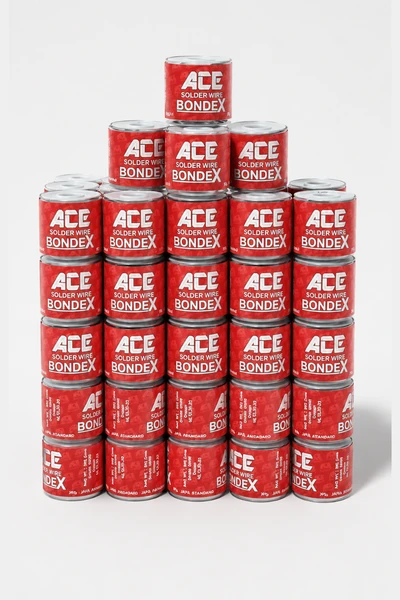
Buying for resale rather than for your own line? Working with manufacturer-direct solder sticks suppliers means consistent grades, no middle layer and packing you can put your own name on. We work with traders, distributors and hardware and electronics dealers on bulk supply in the grades their buyers ask for. Tell us your territory, the grades that move fastest for you and your monthly volume, and we will come back to you on bulk and dealer supply.
Solder Stick FAQs
Get a Solder Stick Quote from ACE Power Systems
ACE Power Systems is a manufacturer of soldering consumables based in Ahmedabad, Gujarat, India — solder wire, solder bars, solder sticks, flux and solder paste, made in-house from high-purity raw material and supplied in bulk across India.
To get a specific quote instead of a price list, tell us four things: the grade you run (60/40, 63/37, 50/50, a lower-tin grade, SAC305 or Sn99.3Cu0.7), your monthly quantity, the form and packing you want, and your city. If you would like to see the paperwork first, ask for a sample batch test certificate with your enquiry.
Call +91 98240 24792 · WhatsApp 919824024792 · Email acepowersystem@gmail.com. Based in Ahmedabad, Gujarat, despatching solder sticks across India.
Related Soldering Products
Solder sticks are one part of the ACE Power Systems range. If your requirement sits next door, start here:
ACE Power Systems
- Mon · 09:00 AM to 6:00 PM
- Tue · 09:00 AM to 6:00PM
- Wed–Sat · 09:00 AM to 6:00 PM
- Sun · Closed